
Small Rufous Tortrix
Acleris aspersana
Small Rufous Tortrix
49.078 BF1043
Wingspan 13-16 mm.
Quite a small member of the Acleris genus, this species prefers open areas such as grassland, downs and heaths.
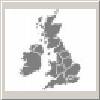
The adults fly from afternoon onwards, in July and August, and the species is fairly common locally throughout the British Isles.
In common with many of its congeners, the larvae feed in rolled-up leaves of a range of herbaceous plants.
Larva: (description Ian F. Smith)
Foodplants:
May - June in folded or spun leaves of Helianthemum, Spiraea, Filipendula, Potentilla, Fragaria, Sanguisorba, Geum, Alchemilla, Rubus, Dryas, Acer campestre and Salix.
Early instar larva:
Length: 8 mm described.
Head: Epicranial spheres glossy brown with darker postero-lateral margin and stemmatal area. Frons paler.
Prothorax (T1): Anterior margin whitish translucent. Prothoracic shield; translucent light brown with darker posterior and lateral areas, divided by indistinct paler medial line.
Thoracic legs: Brown. Coxa concolorous with body.
Body: Translucent ivory white. Yellowish dorsal contractile vessel indistinctly visible.
Spiracles: Concolorous.
Pinacula: Concolorous, unobtrusive. Setal spot slightly darker.
Setae: Translucent whitish.
Anal plate: Concolorous with body. A few brown marks. Prominent anal comb.
Prolegs: Concolorous with venter.
Late instar larva (description based on BTS):
Head: Head light brown with darker postero-lateral margin and stemmatal area.
Prothoracic shield: Light brown or shining green with dark brown or blackish posterior margin.
Thoracic legs: Dark brown.
Body:Translucent whitish green, bluish green or greenish brown. Darker dorsally.
Pinacula: Concolorous.
Anal plate: Anal comb with six prongs.
Flight period
| Month | Records |
|---|---|
| January | 0 |
| February | 0 |
| March | 0 |
| April | 0 |
| May | 4 |
| June | 17 |
| July | 182 |
| August | 443 |
| September | 88 |
| October | 8 |
| November | 1 |
| December | 0 |